A bike can save you from using the clutch without taking over gear selection. That is what Honda E-Clutch and BMW Easy Ride Clutch do: you still choose every gear with your left boot. Yamaha Y-AMT and Honda’s Dual Clutch Transmission, or DCT, can make those choices for you.
The hardware differs too. ERC adds a centrifugal mechanism to the clutch. E-Clutch operates a conventional clutch with electric motors. Y-AMT controls both a clutch and a gear selector, while DCT uses two clutches to pass drive between alternate sets of gears.
Inside the gear change
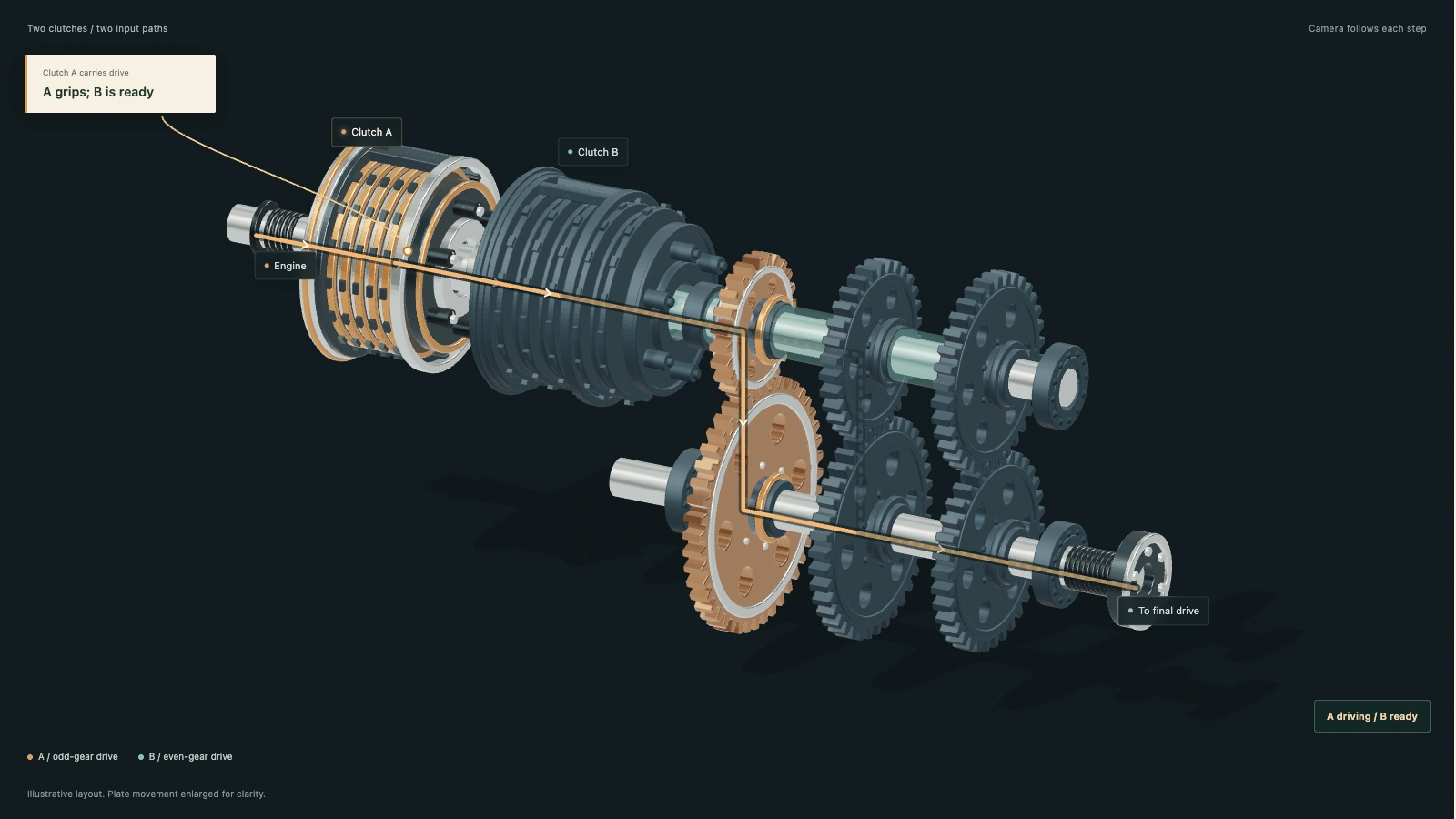
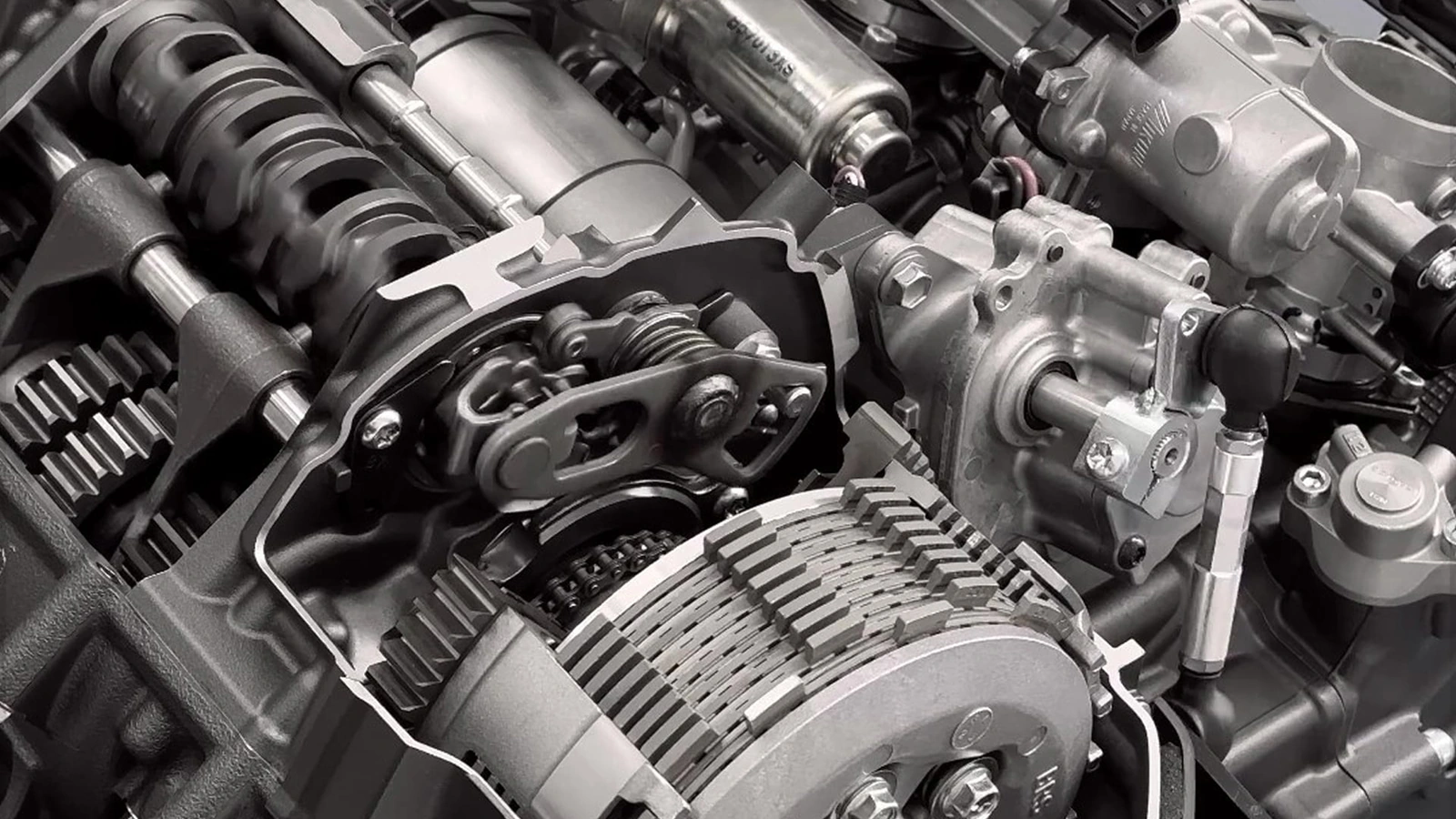
Start with the clutch, then follow E-Clutch, Y-AMT, DCT and ERC one step at a time. The layouts and plate movement are simplified for clarity.
| Specification | BMW Easy Ride Clutch | Honda E-Clutch | Yamaha Y-AMT | Honda DCT |
|---|---|---|---|---|
| What it automates | Clutch engagement through a centrifugal mechanism | Clutch operation through electric motors | Clutch operation and gear selection, with separate actuators | Clutch operation and gear selection, using two clutch packs and a shift motor |
| Physical clutch lever retained? | Yes; manual control remains available | Yes; manual override remains available | No | No |
| Foot gear lever retained? | Yes; the rider selects every gear | Yes; the rider selects every gear | No; handlebar switches select gears in MT mode | No as standard; electronic foot-shift kits are available for supported models |
| Fully automatic gear changes? | No | No | Yes; D and D+ settings on the MT-09 | Yes; automatic shift settings vary by model |
| Quoted added weight | 1kg (2.2lb) on the F 450 RR | 2kg (4.4lb) on the original CB650R E-Clutch | Approx. 2.8kg (6.2lb) unit mass; 3kg (6.6lb) MT-09 bike difference | 10kg (22.0lb) on the UK 2026 NT1100 |
| Clutch control when slowing | Stays engaged on overrun until near a stop; opens at idle | Electronic clutch control handles stopping; manual override remains available | Actuator controls the clutch; AT mode also chooses gears | Hydraulic clutch control; automatic or rider-requested gear selection |
| Model examples | F 450 GS; F 450 RR | CB650R; CBR650R | MT-09; MT-07; Tracer 9; RW700 | X-ADV; Africa Twin; NT1100; Gold Wing |
The weight figures have different definitions. Yamaha’s 2.8kg is unit mass; the other figures compare quoted complete-bike weights with and without the system. Figures refer to the named examples, not every model fitted with that technology.
BMW Easy Ride Clutch: centrifugal control
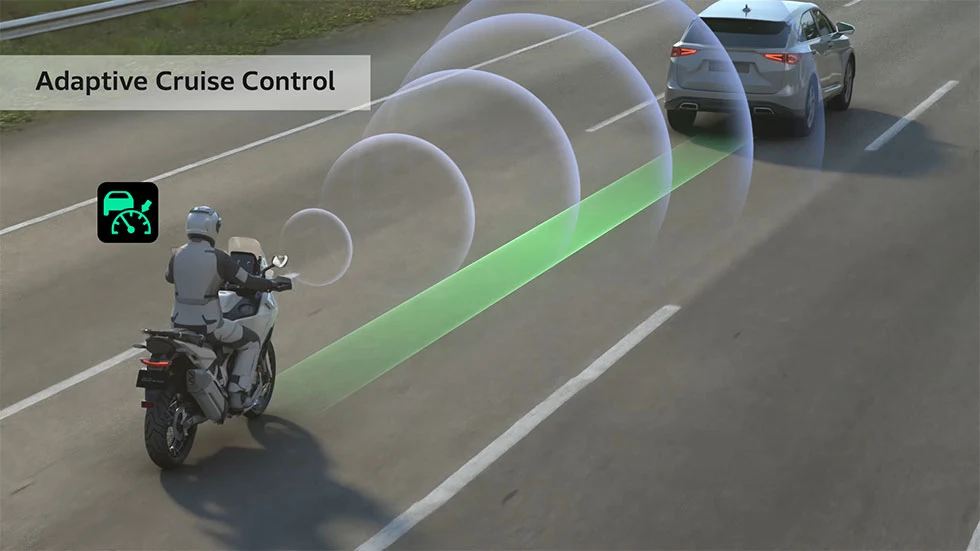
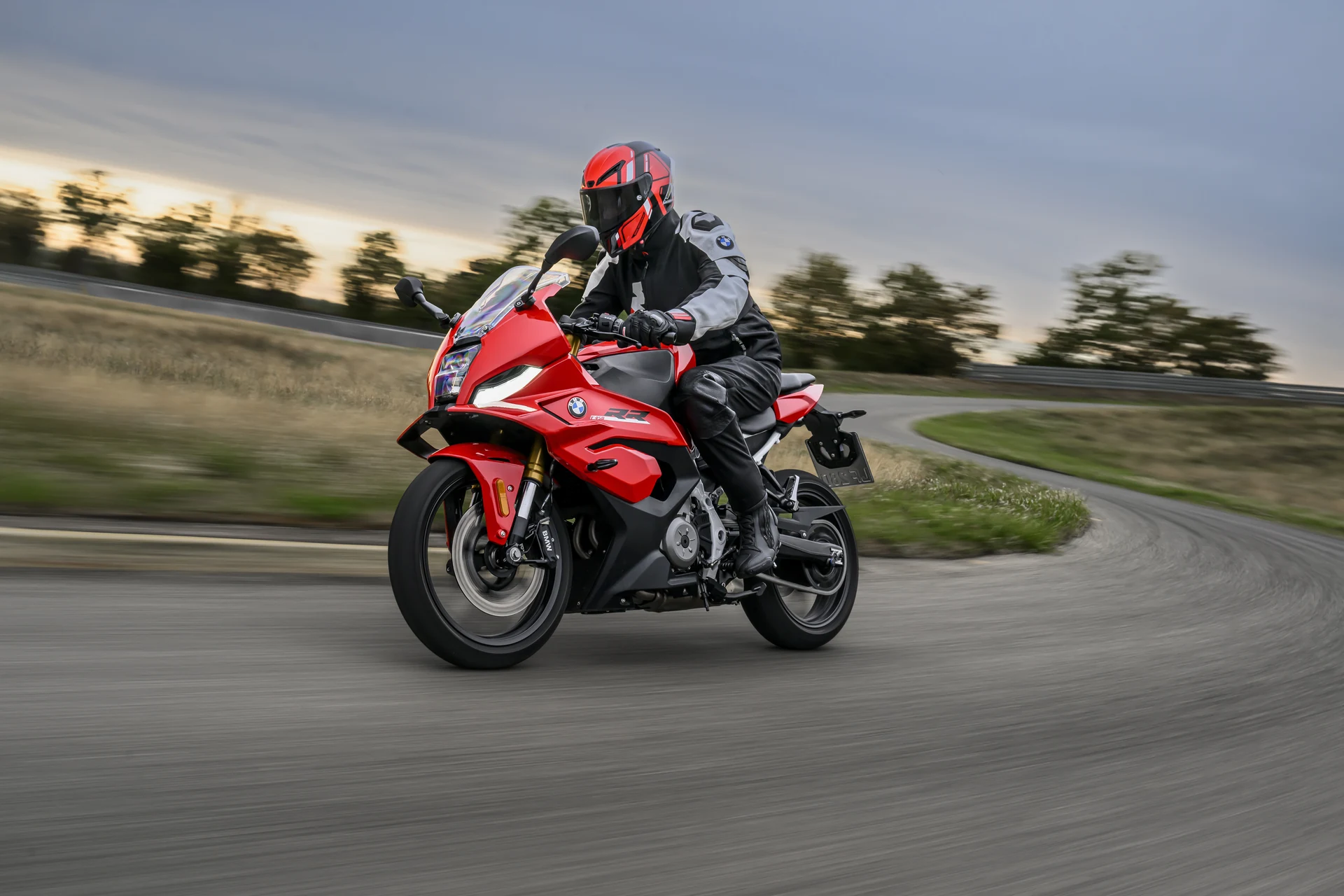
When fitted to the BMW F 450 GS, ERC uses a centrifugal unit inside the clutch. With a gear selected, increasing engine speed brings the clutch into engagement, so pulling away does not require the clutch lever. The rider can still operate that lever to disengage the clutch deliberately.
BMW also keeps ERC engaged on overrun. When the rear wheel is driving the engine, as on a descent, the clutch stays closed and preserves engine braking until the bike is almost stopped. It opens automatically at idle speed. That behaviour matters more on a steep descent than the fact that the system can save a few lever pulls in traffic.
ERC and Shift Assistant Pro have separate jobs. ERC deals with clutch engagement when pulling away and stopping; the quickshifter makes clutchless upshifts and downshifts possible while riding. Together they remove the usual need to work the clutch lever, while you still select every gear with your foot.
Honda E-Clutch: electric clutch control
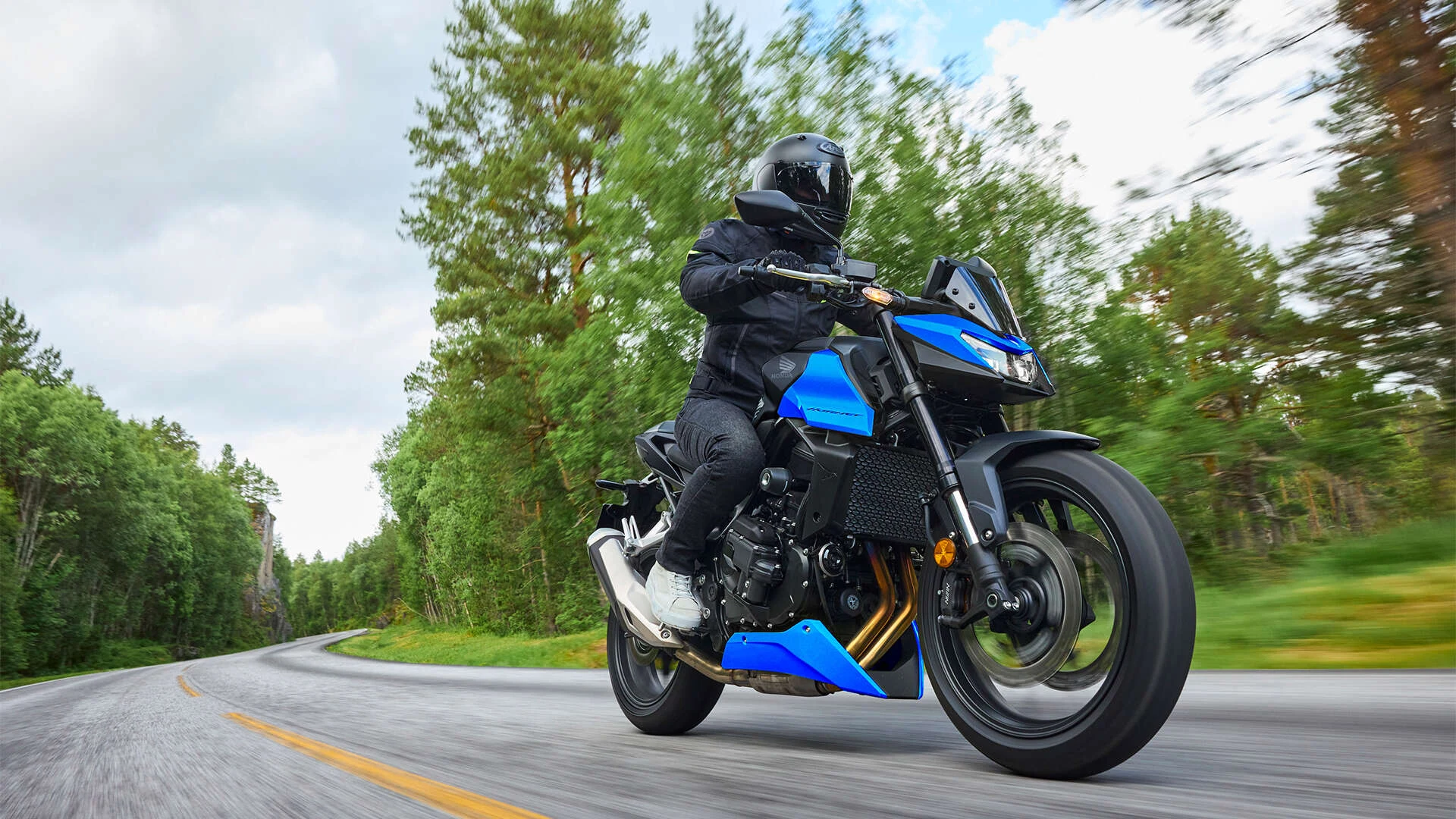
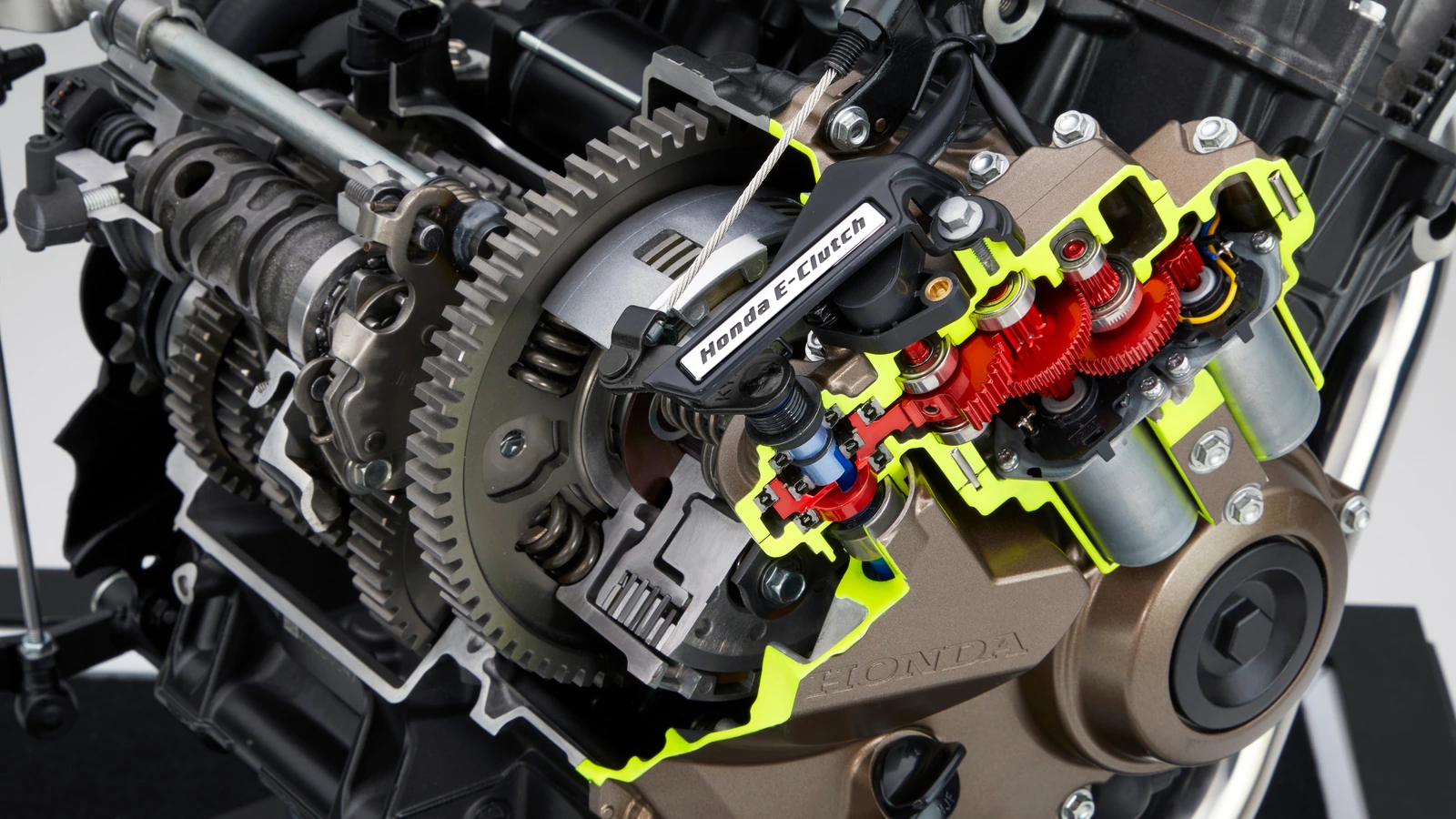
Honda E-Clutch leaves the conventional clutch and gearbox in place. A control unit with two small electric motors operates the clutch lifter. It takes account of engine speed, throttle position, gear position, wheel speed and pressure on the shift pedal, rather than relying on engine speed alone.
During a change, Honda combines clutch control with fuel-injection and ignition control. It can partly disengage the clutch as well as use the engine-control techniques familiar from a quickshifter. The rider still moves the gear pedal, but the system handles the clutch for starting, shifting and stopping.
The hand lever remains usable, including while electronic assistance is active. Pulling it gives the rider manual clutch control; switching E-Clutch off makes clutch use necessary in the usual way. E-Clutch does not decide when to shift up or down, regardless of whether the rider uses the lever.
Yamaha Y-AMT: automating both jobs
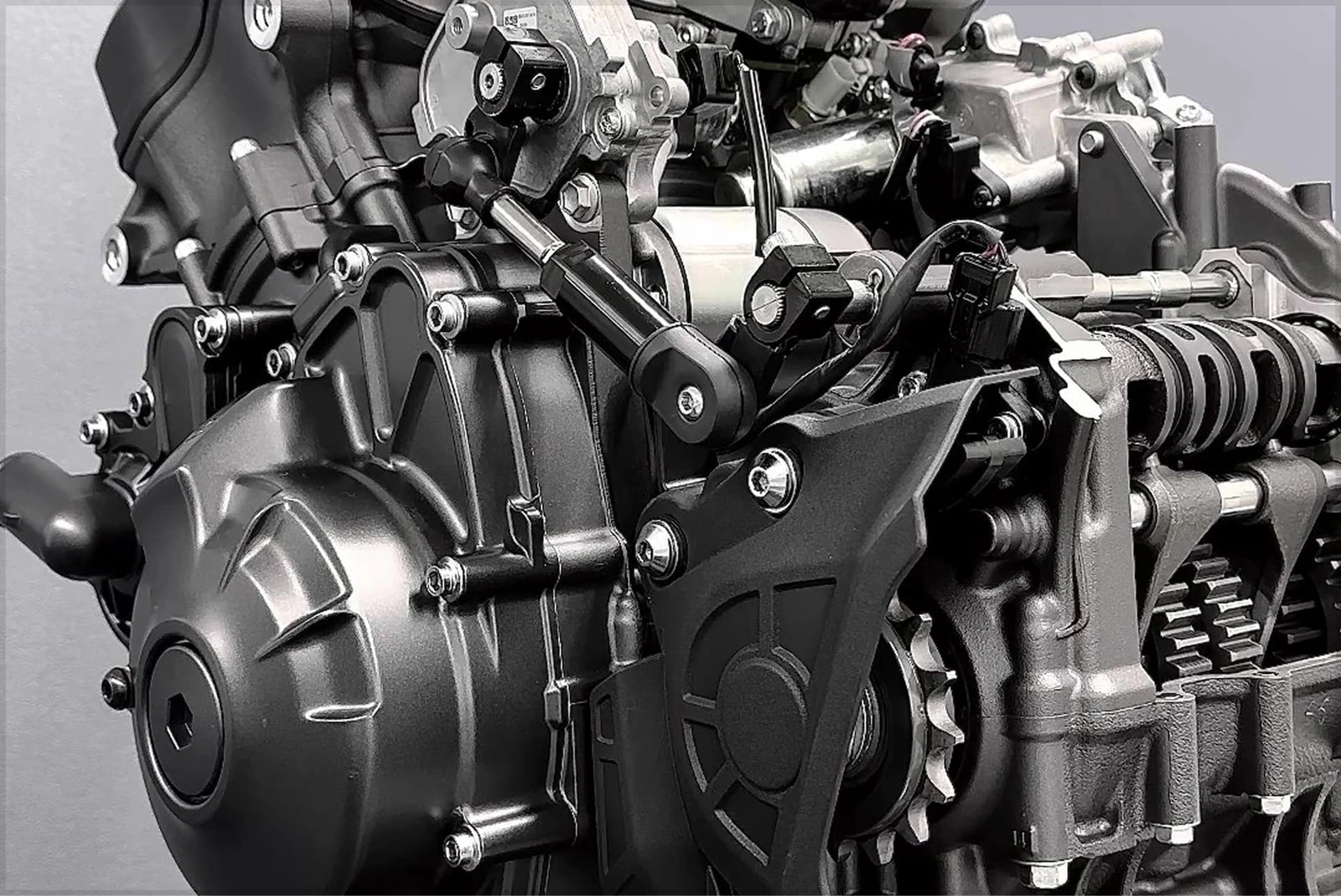
Y-AMT gives its actuators different jobs. One controls the clutch and the other changes gear. Yamaha retains the basic manual transmission, then coordinates the actuators with the engine electronics. It is a single-clutch automated manual, rather than a dual-clutch gearbox.
There is no clutch lever or foot shifter. In MT mode, the rider selects gears with the left-handlebar switches. AT mode can make those decisions automatically from inputs including road speed and throttle opening. On the MT-09, D is the gentler automatic setting, while D+ holds gears longer for sportier riding.
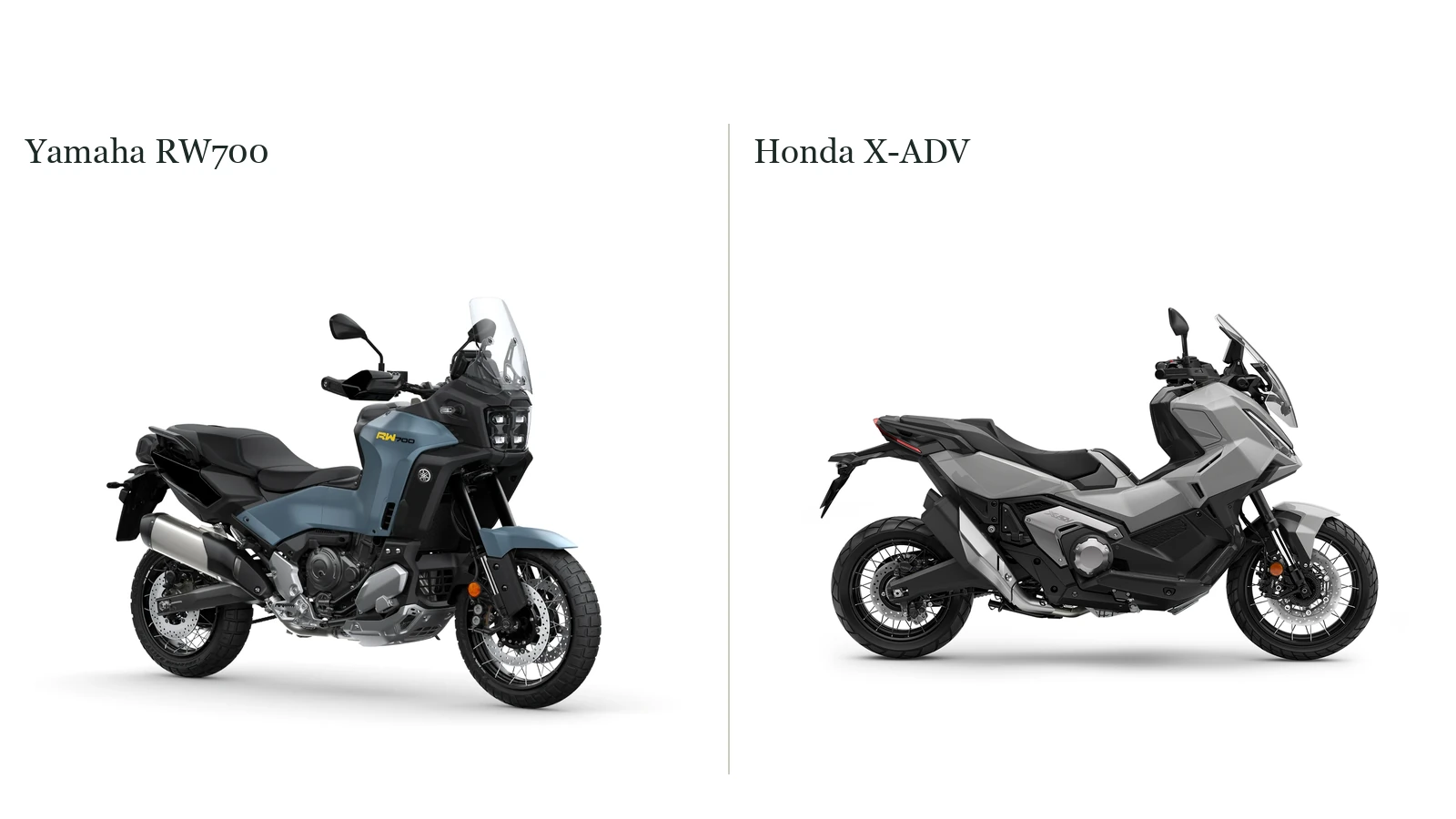
The Yamaha RW700 puts that arrangement in an adventure scooter. Its transmission has six fixed ratios and a chain final drive. The scooter shape does not make it a belt-driven CVT: Y-AMT can either choose those six gears or let the rider select them by hand.
Honda DCT: two clutch paths
DCT starts with a different gearbox layout. In Honda’s six-speed version, one clutch serves first, third and fifth gears, including pulling away; the other serves second, fourth and sixth. Separate input shafts let the next ratio be selected on the path that is not carrying drive.
During a change, drive transfers from one clutch to the other. That handover reduces the interruption in driving force associated with disengaging and re-engaging a single clutch. Hydraulic control operates the clutch packs, while an electric shift motor moves the gear-selection mechanism. The Gold Wing uses a seven-speed version of DCT, so the six-speed layout is not universal across Honda’s range.
DCT can choose gears automatically or accept commands from the handlebar switches. It has no hand-operated clutch. Some models also support an optional electronic foot-shift kit, which sends a request to the system rather than mechanically operating the transmission. Engine braking remains available, and a handlebar downshift can call for more of it within the system’s over-rev protection.
The Yamaha RW700 and Honda X-ADV illustrate the distinction: both can change gear automatically, but Yamaha controls a single clutch and a gear selector, while Honda transfers drive between two clutches. Automatic shifting describes what the rider can leave to the bike; it does not describe one common mechanism.
What the weight figures mean
BMW quotes a 1kg (2.2lb) increase for ERC on the F 450 RR, taking its DIN ready-to-ride weight from 177kg to 178kg. Honda’s original CB650R E-Clutch implementation adds 2kg (4.4lb) to kerb weight.
Yamaha quotes approximately 2.8kg (6.2lb) for the Y-AMT unit. The European MT-09’s full-fuel-and-oil weights are 193kg with the manual gearbox and 196kg with Y-AMT, a 3kg (6.6lb) difference. The 3kg is the change on the complete MT-09; the 2.8kg figure describes the Y-AMT unit itself.
In UK specification, Honda’s 2026 NT1100 is quoted at 238kg with a manual gearbox and 248kg with DCT - a 10kg (22.0lb) difference.
ERC and E-Clutch keep the clutch lever and foot shifter available. Y-AMT and DCT give you automatic gear selection as well as handlebar shifts. They remove different parts of the job, and that is the distinction to settle before choosing a bike.